Picture your face as a map of tiny, overachieving muscles. Every squint, frown, and micro-expression pulls on the skin’s surface. Over time, those pulls etch lines, create folds, and change how light reflects across the face. The “porcelain finish” people ask me for is not about looking frozen, it is about coaxing those muscles into calmer, more strategic behavior so the skin lies flatter, reflects light evenly, and looks rested. That is where Botox earns its reputation when it is planned and placed with precision.
What “Porcelain” Actually Means in Practice
Patients often point to a filtered image and say they want smooth, glassy skin. The realistic version involves four pillars. First, reduce dynamic wrinkling from hyperactive muscles. Second, smooth skin texture by lessening repetitive creasing and oil-sweat output in targeted zones. Third, rebalance facial vectors so brows, cheeks, and jawline look lifted and supported by muscle relaxation rather than volume expansion. Fourth, preserve expression. The best work looks quiet, not empty.
Botox, a neuromodulator, interrupts the signal between nerve and muscle. When used in tiny, mapped doses, it softens the pull of specific fibers instead of silencing entire regions. That nuance is the difference between a lifted brow tail and a heavy lid, a tapered jawline and a flat, expressionless face. When patients say “porcelain,” they want fewer creases, a velvety surface, and light-bounce without the telltale shine of overfilled tissue. Botox, and sometimes its cousins, can deliver those changes without surgery.
Where Botox Shines, Zone by Zone
Let’s go from top to bottom and tie it to how skin smoothness improves.
Forehead and glabella. Deep frown lines and horizontal forehead creases come from the corrugator, procerus, and frontalis. Proper mapping gives wrinkle-free forehead lines smoothing while keeping brows mobile. Many people fear a flattened brow. The key is a lighter dose in the upper frontalis and a stronger correction centrally for frown line reduction. Over three to four months, etched lines soften because the skin stops folding on itself thousands of times a day.
Brow position. Subtle arcs make a face read alert and open. A tailored brow lift uses botox for lifting brows by relaxing the orbicularis oculi’s lateral fibers, which pull brows down, and easing the depressor supercilii. This achieves botox for lifting eyelids in a non-surgical sense by freeing the brow tail. The result is upper face firming and upper face rejuvenation without adding bulk.
Crow’s feet and under-eye area. Many patients request botox for smoothing crow’s feet and botox for eye wrinkle treatment. The outer orbicularis oculi responds well to microdroplets, reducing fan-like creases and softening the radiating lines that collect makeup. For under eye wrinkle smoothing and reducing under-eye puffiness, dosing must be conservative, especially in people with thin skin or preexisting fat pad descent. Too much relaxation here can unmask under eye circles or create malar bags. Edge cases include marathon runners or those with low body fat; their lower lids need a lighter hand to avoid a hollowed look.
Nasal lines and bunny lines. Small injections at the lateral nasal wall settle scrunch lines that creep into the cheek when you smile. Correcting these helps smile line reduction indirectly by reducing the inward pull.
Lip lines and smile dynamics. Tiny threading along the vermilion border offers botox for upper lip lines and lip line smoothing. When a patient asks about lip enhancement without surgery, I often combine micro-doses along the lip line with a touch of hyaluronic acid to support shape. For gummy smile correction, relaxing the levator labii superioris alaeque nasi reduces gum show without altering speech when measured carefully. The same goes for botox for smile enhancement: small relaxations can balance asymmetry and smooth smile lines while preserving warmth.
Chin and marionette region. An overactive mentalis makes the chin dimple and pushes the lower lip upward, creating a pebbled texture and deepening chin wrinkles. Two to four units on each side often corrects this, improving chin lifting and softening deep lines around the mouth. Marionette lines benefit indirectly by reducing downward corner pull, and the mouth sits more neutrally at rest.
Jawline and masseter. For a smoother jawline and jawline contouring without surgery, masseter debulking gives botox for jawline slimming. Over two to three sessions, the lower face appears narrower, the jawline looks more sculpted, and tension headaches can improve due to reduced clenching. This is where botox for muscle tension relief and facial muscles relaxation cross over into functional benefits. In people with sagging jawline or facial volume loss, I caution against aggressive debulking because it can unmask laxity. A better approach is moderate reduction combined with skin toning strategies and, if needed, filler in the pre-jowl sulcus.
Neck bands and contour. Platysmal bands pull the lower face downward and create a corded neck. A Nefertiti pattern can offer botox for neck rejuvenation, neck contouring, and sagging neck treatment. When done well, the jawline looks tidier and the neck transitions smoothly to the face. Risks include swallowing strain if dosing strays too medially, which is why I stick to lateral band fibers and avoid deep injections.
Chest lines. In select cases, botox for neck and chest wrinkles helps the vertical creases that reading and sleeping positions amplify. I use conservative doses because the skin here is thin, and movement patterns are complex.
The “Lift” Without a Scalpel
People search for botox for non-invasive facelift, face tightening, and lifting and sculpting the face. Here is what Botox can and cannot do. It can relax downward vectors, allowing upward muscles and ligaments to present better. That gives small lifts: cheek lifting and firming via lateral orbicularis relaxation and reduced zygomatic competition, and eyebrow lifting by selective release of brow depressors. It cannot replace displaced fat pads or stretched skin. For true sagging skin treatment or a sagging eyelid from excess skin, you will likely need energy-based tightening, filler for volume restoration, or surgery.
Botox can improve facial contouring without surgery by shaping the pull lines. Think of it as experts in West Columbia botox rebalancing tension cables. For cheekbones definition, targeted relaxation around the midface can make existing structure read sharper, but it will not create bone where there is none.
Timeline, Results, and Realistic Expectations
Onset begins in two to five days, and maximum effect lands around two weeks. The glide effect on skin texture often continues to improve over the first month as creases stop reinforcing themselves. Duration ranges from 8 to 16 weeks for most facial areas, sometimes longer for masseter reduction because muscles atrophy with disuse. New Botox users often metabolize faster in the first two cycles. Athletes and fast metabolizers may land at the shorter end of the range.
One important pattern I see: consistent dosing at proper intervals gradually improves baseline skin smoothness. Dynamic lines fade, and even deep skin folds look less etched. Patients in their 30s who use botox for wrinkle prevention need lower doses and achieve longer-term benefits, while those managing facial lines in their 40s and seeking youthful skin in their 50s may pair Botox with collagen-stimulating treatments to address volume and elasticity.
Mapping, Units, and Microdosing
There is no universal map, but there are principles. Forehead lines respond best when the injector respects the brow’s support role. I center the strongest influence between the pupils and lighten the dose superiorly to avoid heavy brows. For crow’s feet wrinkle treatment, I use a fan pattern that avoids the zygomatic arch to reduce bruising risk. The lip line needs threadlike microdroplets, often 0.5 to 1 unit per point, to avoid speech changes.
Masseter dosing for jawline slimming begins conservatively, then adjusts. I palpate while the patient clenches to define the bulk and stay at least 1.5 cm above the mandibular border to avoid diffusion into deeper structures. For neck contouring, shallow injections along obvious bands are safer than broad-field dosing.
Microdosing across oily or textured areas can deliver botox for smooth skin texture and skin smoothness improvement. Very superficial placement reduces sweat and sebaceous activity, minimizing shine and blur without flattening expression. It is not the same as mesotherapy with diluted toxin, which carries different risks and inconsistencies. Stick with a deliberate, mapped approach.
Special Situations and Edge Cases
Heavy brows at baseline. If a patient’s brow sits low, aggressive forehead treatment can lower eyebrows further and create tired-looking eyes. We use the lowest effective forehead dose, prioritize frown line reduction, and often lift the brow tail first.
Thin lower eyelids. For under eye wrinkle smoothing, the margin for error is slim. If there is under eye puffiness from fat pads or fluid, toxin may make it more visible by relaxing the muscle’s supportive tone. Here, I may defer to lasers, skin boosters, or microneedling for skin elasticity improvement.
Asymmetric smiles. Botulinum toxin can enhance facial symmetry, but only when the injector maps which side over-pulls. A dash into the depressor anguli oris on one side can level the corners. Poor mapping risks a lopsided smile.
High-mileage frowners. In some people, deep forehead creases and deep laugh lines are etched at rest. Botox softens the motion but may not erase lines fully. Pairing with conservative filler or collagen stimulators can address deep skin folds without bloating the face.
Clenchers with sagging jawline. Masseter slim-down helps shape, yet too much reduction can unmask laxity. Staged treatment is safer than a large, single dose.
Safety, Sensation, and Side Effects
Most adverse events are minor and temporary. Bruising occurs in roughly 5 to 15 percent of facial injections depending on anatomy and blood thinners. Headache can follow glabellar treatment. Eyelid or brow ptosis happens when toxin diffuses into unintended musculoskeletal units; rates are low when dosing is conservative and placement high. With neck injections, a too-medial or deep placement can create swallowing difficulty. This is why anatomical knowledge and restraint matter more than any brand preference.
What about “frozen” faces? Overdosing or flattening the upper face to chase a perfect porcelain look is tempting, but it creates a lifeless mask. I aim for a quiet forehead that still elevates, eyes that smile without radiating creases to the hairline, and lips that move naturally with softened vertical lines.
Long-term safety appears strong in healthy adults when standard doses are used at typical intervals. I space treatments at least 12 weeks apart for most regions to reduce antibody risk. People with neuromuscular disorders, active infections at the injection site, or pregnancy should avoid treatment. Medications that affect bleeding increase bruising risk, so we plan around them when possible.
Botox Versus Fillers, Energy Devices, and Skincare
If porcelain equals smoothness at rest and in motion, Botox addresses motion. It does not restore lost volume or rebuild collagen. For facial volume restoration and youthful skin restoration, fillers or biostimulators are better. For skin elasticity improvement, fractional lasers, RF microneedling, and topical retinoids and peptides strengthen the scaffold so the surface glows, not just looks flat.
I often use a layered plan. Neuromodulator to calm movement. Energy device to thicken dermis. Minimal filler to support shadows, especially around marionette lines and pre-jowl. And steady skincare to maintain results. When combined correctly, the effect reads as total facial rejuvenation without an obvious procedural tell.
The Subtle Art of Smile and Lip Work
Lip work is where results swing from refined to awkward. Tiny doses along the vermilion border can create lip line smoothing, reduce lipstick bleed, and deliver lip fullness enhancement when combined with minimal filler. A “lip flip” that over-relaxes the orbicularis can cause straw-drink difficulty or consonant blurring. My rule: just enough to let the upper lip show a touch more red without changing speech.
For a gummy smile, I test by asking the patient to grin fully and hold. If the elevator muscles pull high, a precise microdose just lateral to the nostril base can drop the gum line a few millimeters, enough to soften the display while retaining joy. This fine-tuning counts as enhancing natural beauty rather than reshaping identity.
Skin Quality Gains That Sneak Up on You
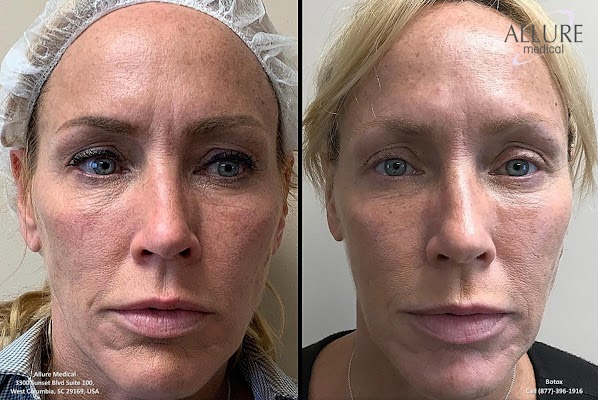
Patients return after two cycles and notice more than fewer lines. Makeup sits better. Hot yoga or summer days do not cause the same forehead shine. The midface looks less burdened because the muscles are not tugging skin into creases. That is botox for improved skin appearance and skin rejuvenation without surgery in practice.
For those dealing with tired-looking eyes, lifting the brow tail and softening crow’s feet often reduces under eye shadows by altering how light hits the tear trough. The eyes look open, not stretched. The effect is stronger when sleep, hydration, and screen habits support ocular comfort.
Treatment Planning by Decade
Wrinkle removal in 30s commonly means prevention. We use modest dosing to train facial muscle behavior. The payoff is slower line formation and a soft, even canvas. People in their 40s start balancing motion control with volume support and collagen rebuilding. They may need botox for facial lines in 40s plus targeted filler in the midface or pre-jowl. In the 50s and beyond, youthful skin in 50s comes from staging: gentle neuromodulation, energy devices, and small, precise filler work. Over-tightening with toxin in mature faces can backfire by flattening features, so I prioritize lift vectors and skin tone.
How We Avoid the “Botox Look”
The stereotype emerges from over-correction. My checklist before each session is simple and strict.
- Identify which wrinkles are dynamic versus etched at rest to set realistic goals. Mark natural asymmetries and plan micro-adjustments rather than even dosing. Respect brow support and avoid heavy doses in the upper frontalis. Use test doses in high-risk zones like lower lids and perioral area. Stage changes for jawline and neck to observe how tissues settle.
By the third or fourth visit, dosing becomes very personalized. Patients use fewer words and more mirror taps to describe what they feel. That feedback loop builds long-term, natural-looking results.
What It Costs, in Money and Maintenance
Fees vary by region, injector expertise, and brand, but plan for a range tied to units used. A light forehead and frown session often sits between 20 and 40 units, crow’s feet between 8 and 20 per side, lips and chin microdosing around 4 to 12 total, masseters anywhere from 20 to 40 per side depending on bulk. Neck bands span widely based on severity. If you maintain every three to four months, you build muscle memory of relaxation and may need fewer units over time, particularly in masseters.
Patients sometimes ask if they can stretch intervals to save money. Yes, but you trade smooth continuity for peaks and valleys. If budgets are tight, prioritize the areas most visible in your expressions, like the frown lines or crow’s feet, and extend other zones.
Managing Expectations: What Botox Can and Cannot Fix
Botox excels at reducing fine lines, forehead creases, and crow’s feet wrinkle reduction. It reduces facial expressions that crease the skin, which leads to temporary wrinkle relief while treatments are active. It helps with under eye wrinkle smoothing in select cases, reduces forehead furrows, and can contribute to a wrinkle-free forehead look when dosing respects brow balance. It provides botox for lifting mid-face in a limited, vector-based way, and improves facial contour by easing opposing muscle pulls. It even supports tension headaches driven by clenching.
Botox does not replace collagen or lift heavy tissue. For deep laugh lines, deep lines around the mouth, and significant sagging skin or sagging eyelids, you will need adjunctive approaches. Think of Botox as the conductor of muscle rhythm, not the builder of structural scaffolding.
A Real-World Example
A 42-year-old product manager came in asking for botox for smoother, wrinkle-free skin before a high-profile presentation cycle. She had active frown lines, early crow’s feet, a slightly gummy smile, and tension headaches from long desk hours. We mapped 14 units to the glabella, 6 across the mid-forehead with two high gliding points, 6 units per side for crow’s feet, 2 tiny points near the alar base for gummy smile correction, and 20 units per masseter per side staged over two visits.
At two weeks, frown lines quieted, her brow held shape, and crow’s feet softened. By eight weeks, jawline looked sleeker and her headaches decreased in frequency. She skipped lip filler once she saw how lip line smoothing shifted the balance. She now repeats forehead and eyes roughly every 12 to 14 weeks, masseters every 5 to 6 months. The change reads as refreshed and deliberate, not “done.”
Pre- and Post-Care That Protects Results
Skip alcohol, aspirin, and non-essential supplements that thin blood the day before to reduce bruising. Arrive without heavy makeup so mapping is clean. Post-treatment, avoid heavy workouts and face-down massage for the first day. Do not press or rub injected areas for several hours. Expect small bumps that flatten within 30 to 60 minutes. If a small bruise appears, topical arnica can help, but time clears most marks in 3 to 7 days.
Botox does not negate skincare. Keep using retinoids as tolerated, vitamin C by day, daily SPF, and a bland moisturizer to support the stratum corneum. That routine amplifies the porcelain effect by improving tone and reflectivity.
Choosing the Right Injector
Expertise shows in restraint and listening. Ask how they approach expression preservation, how they avoid lowering eyebrows, and how they handle asymmetry. Request a phased plan rather than a one-shot overhaul. Experienced injectors can describe how botox for treating facial expressions intersects with your features and where they would not inject because risk outweighs reward.
I also look for transparency about side effects, realistic timelines, and a plan to see you at two weeks for touch-ups. Good Botox is iterative. It should feel like tailoring, not a uniform.
The Bottom Line on the Porcelain Finish
Smooth skin and calm expressions come from tuning muscle activity, not erasing personality. Botox, placed with care, can deliver wrinkle-free skin across the upper face, soften crow’s feet, refine lip lines, balance a gummy smile, contour a bulky jawline, and help with muscle-driven tension. It pairs well with technologies and skincare that strengthen the dermis, and it respects the structure you already have.
If you want Botox for face sculpting, for enhancing facial profile, or for reducing crow’s feet and wrinkles without losing your range, the plan should be targeted, minimal at first, and guided by your expressions rather than a fixed template. That approach creates the quiet kind of porcelain finish, the one that reads as healthier skin and better light, not less humanity.